What This Winter Taught Us About Vacation Rental Performance in Lake Tahoe
This winter, we saw something important across much of our portfolio.
Fewer nights were booked, but overall revenue remained strong and in many cases improved.
At first, that might seem counterintuitive. If occupancy goes down, shouldn’t revenue follow?
Not necessarily.
What this season showed very clearly is that performance is not about how many nights you fill. It is about how those nights are booked, at what rate, and under what conditions.
This wasn’t accidental. It was the result of a deliberate, hands-on approach to pricing, positioning, and timing. At Tahoe Signature Properties, we refer to this as our Signature Approach. Every decision is made with one goal in mind, protect value and capture the strongest bookings available.
This shift creates both opportunity and risk. Homes that are managed actively can outperform. Homes that rely on volume or outdated pricing strategies can fall behind.
For homeowners, this is where the difference is made. In today’s market, performance comes down to strategy and professional execution, not volume.
Quick Look: What Drove This Winter’s Performance
- Fewer nights booked across much of the portfolio
- Revenue remained strong and in many cases improved
- Stronger rates per booking
- Less reliance on discounting
- Greater focus on timing, positioning, and real-time demand
The takeaway is simple. Performance is not about filling every available night. It is about how those nights are booked, at what rate, and under what conditions.
This is the foundation of our Signature Approach, focusing on the quality of each booking rather than the total number of nights filled.
Listing Optimization Came First
Before any pricing decisions were made, the focus was on how each home was presented.
Every listing was reviewed with a straightforward question in mind. Is this home positioned to attract the right guest at the right value? That meant looking closely at how the home appeared in search results and how it compared to competing properties.
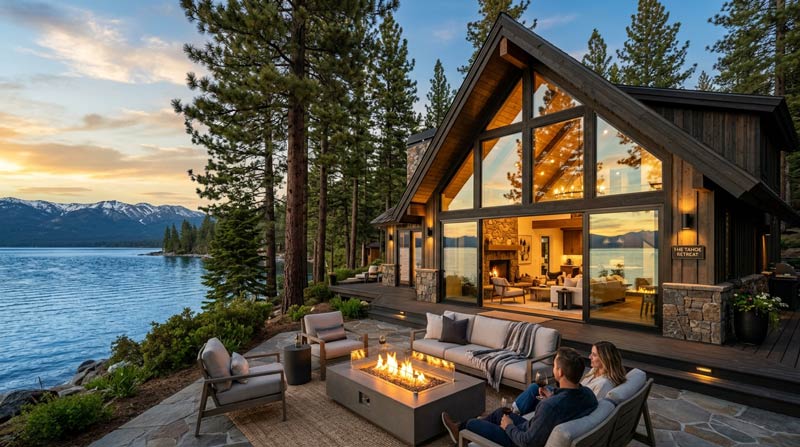
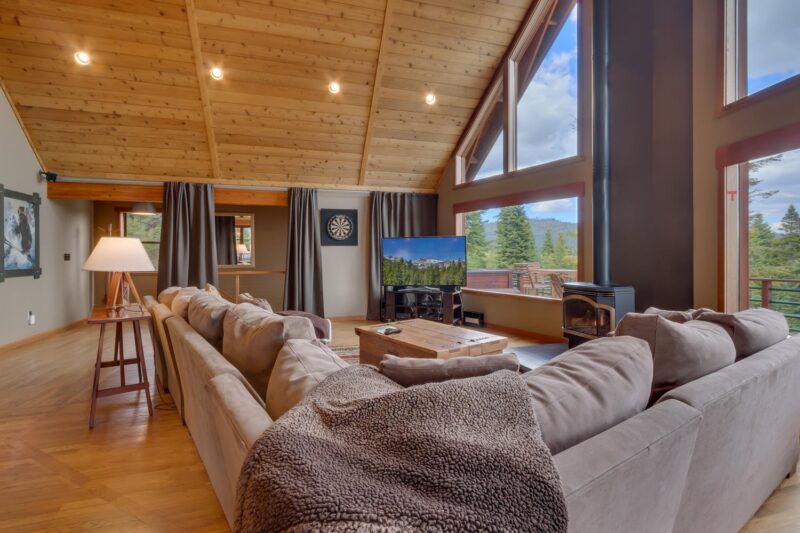
Photos were updated where needed to better reflect the experience guests expect. Headlines and descriptions were refined to align with what today’s guests are actually searching for and responding to. Each home was positioned clearly so it could stand out, not just exist, in a crowded market.
This step is often underestimated, but it plays a critical role in performance. When a home is not presented well, pricing becomes reactive. Rates get adjusted to compensate for something that should have been addressed upfront.
Pricing works best when the product is positioned correctly from the start. Without that foundation, even the best pricing strategy will struggle to perform.
BOTTOM LINE
Pricing works best when the product is positioned correctly from the start. Without that foundation, even the best pricing strategy will struggle to perform.
Active, Ongoing Revenue Management
This was not a season where pricing could be set once and left alone.
Booking patterns shifted in a noticeable way. Guests began booking later, and demand shifted into shorter, less predictable windows. That required a more active approach, with pricing decisions being revisited frequently and adjusted based on what was actually happening in the market.
Rates were reviewed continuously, not just on a set schedule. Decisions were based on real-time demand signals rather than assumptions carried over from previous seasons. This allowed each home to stay aligned with how guests were actually behaving, not how they used to behave.
At the same time, flexibility was applied where it made sense. Adjustments were made thoughtfully, with the goal of staying competitive while still protecting overall value. The focus was never on reacting quickly. It was on reacting correctly.
Staying aligned with how guests are booking in real time is what keeps performance stable, even when conditions change.
BOTTOM LINE
Staying aligned with how guests are booking in real time is what keeps performance stable, even when conditions change.
Protecting Value During Peak Demand
One of the most important differences this winter came down to how peak periods were handled.
During holidays, ski weeks, and high-demand weekends, pricing discipline became critical. When demand was present, rates were held. There was no rush to discount early simply to secure bookings ahead of time.
Instead, pacing was monitored closely. This allowed demand to build and play out naturally, rather than cutting into revenue too early in the booking window. This is often where the strongest returns are captured.
At the same time, any remaining availability closer to arrival was managed actively. If adjustments were needed, they were made with clear intent, not out of urgency. The goal was to balance occupancy and rate in a way that supported overall performance, not just short-term wins.
Not every booking window should be treated the same. Timing matters, and knowing when to hold versus when to adjust is a key part of that.
BOTTOM LINE
Not every booking window should be treated the same. Timing matters, and knowing when to hold versus when to adjust is a key part of that.
Real Example: February Peak Weekend
February provided a clear example of how these decisions play out in practice.
During one of the busiest weekends of the season, many properties in the market lowered their rates early in order to secure bookings. On the surface, this approach works. Calendars fill quickly, and occupancy looks strong.
However, those bookings are locked in at lower price points, which directly impacts revenue.
We took a different approach. Based on the strength of demand, rates were held rather than reduced.
During peak weekends, we consistently saw bookings come in closer to arrival at stronger rates.
In contrast, other properties filled earlier, but at a discount. The difference is not always obvious at first glance, but it becomes clear when you look at total revenue.
The result was fewer discounted nights and stronger revenue per booking. Over the course of a season, those differences compound in a meaningful way.
BOTTOM LINE
The result was fewer discounted nights and stronger revenue per booking. Over the course of a season, those differences compound in a meaningful way.
The Result
By focusing on how each home was positioned, staying active with pricing, and protecting value during peak demand, the overall outcome was clear.
Fewer nights were booked.
But those nights performed better.
Higher-value bookings replaced lower-value ones. Peak periods were captured at stronger rates, and unnecessary discounting was avoided. Instead of increasing volume, the focus remained on improving the quality of each booking.
This is what allowed revenue to remain strong, and in many cases improve, even as occupancy declined.
This is also the result of the Signature Approach. Every decision, from how a home is presented to how pricing is managed in real time, is designed to protect value and drive stronger performance over time.
BOTTOM LINE
This is what allowed revenue to remain strong, and in many cases improve, even as occupancy declined.
What This Means for Your Home
If your home is being managed with a focus on filling every available night, there is a good chance revenue is being left on the table.
Today’s market rewards a more deliberate approach. Clear positioning, active management, and the ability to adjust based on real demand all play a role in how a home performs.
It also requires knowing when not to discount. Once value is given away, it is difficult to recover, especially during high-demand periods where that value matters most.
For homeowners, the takeaway is straightforward. Strong performance is not about how often your home is booked. It is about how well it is managed throughout the entire booking process.
BOTTOM LINE
Strong performance is not about how often your home is booked. It is about how well it is managed throughout the entire booking process.
Final Thoughts
This winter was a clear reminder that the market is changing.
Guests are booking differently. Timing has become more important. Pricing needs to be more responsive and more intentional.
Homes that are positioned correctly and managed actively are still performing well. In many cases, they are outperforming.
Homes that rely on older, volume-driven strategies are starting to feel the shift.
If you want your home to perform at a higher level in today’s market, it starts with how it is positioned and managed today.